
Shoe Size Guide: How to Find Your Perfect Fit When Shopping Online
No more guessing games. Here's exactly how to nail your size on the first try — every time you shop.
📦 Buying shoes online means you can't try them on before you buy — and that's the number one reason online shoe orders get returned. The good news? With a few simple measurements and a little know-how, you can shop online with the same confidence as trying shoes on in-store. This guide walks you through exactly how to find your true shoe size, understand width and fit differences, and choose the right size across sneakers, boots, dress shoes, and more.
Why Getting Your Shoe Size Right Matters When Shopping Online
Shoe sizing isn't universal. A size 8 in one brand can fit completely differently than a size 8 in another, depending on the last (the mold a shoe is built on), the material, and the country of origin. This is especially true when shopping across different women's shoe collections or men's shoe collections that carry multiple brands. Getting your fit right the first time means fewer returns, less waiting on exchanges, and shoes that are actually comfortable to wear from day one.
📏 How to Measure Your Foot at Home (Step-by-Step)
All you need is a piece of paper, a pencil, and a ruler or measuring tape. Measure both feet — most people have one foot slightly larger than the other — and always size for the larger one.
- Trace your foot. Stand on a piece of paper with your full weight on your foot and trace around it with a pencil held straight up and down.
- Measure the length. Measure from the tip of your longest toe to the back of your heel, in centimeters or inches.
- Measure the width. Measure across the widest part of your foot, usually just below the toes.
- Do this in the evening. Feet swell slightly throughout the day, so measuring in the late afternoon or evening gives a more accurate everyday size.
- Compare to the size chart. Match your measurements to the specific size chart for the shoe you're buying, since charts can vary by brand and style.
↔️ Understanding Shoe Width vs. Length
Length gets most of the attention, but width is just as important for comfort. A shoe that's the right length but too narrow will pinch at the widest part of your foot, while a shoe that's too wide can cause your foot to slide and rub. If you consistently feel discomfort across the top of your foot or around your toes in shoes that are "your size," width — not length — is usually the real issue. Styles like casual sneakers and loafers tend to be more forgiving on width, while structured styles like dress shoes are less so.
🥿 How Sizing Varies Across Shoe Styles
Fit isn't just about your foot measurements — it also depends on the type of shoe. Here's what to keep in mind for the most common styles:
| Shoe Type | Fit Notes |
|---|---|
| Sneakers | Usually true to size; leave a thumb's width of space at the toe for comfort during movement. |
| Dress shoes | Tend to run snugger through the structured leather; consider sizing up if between sizes. |
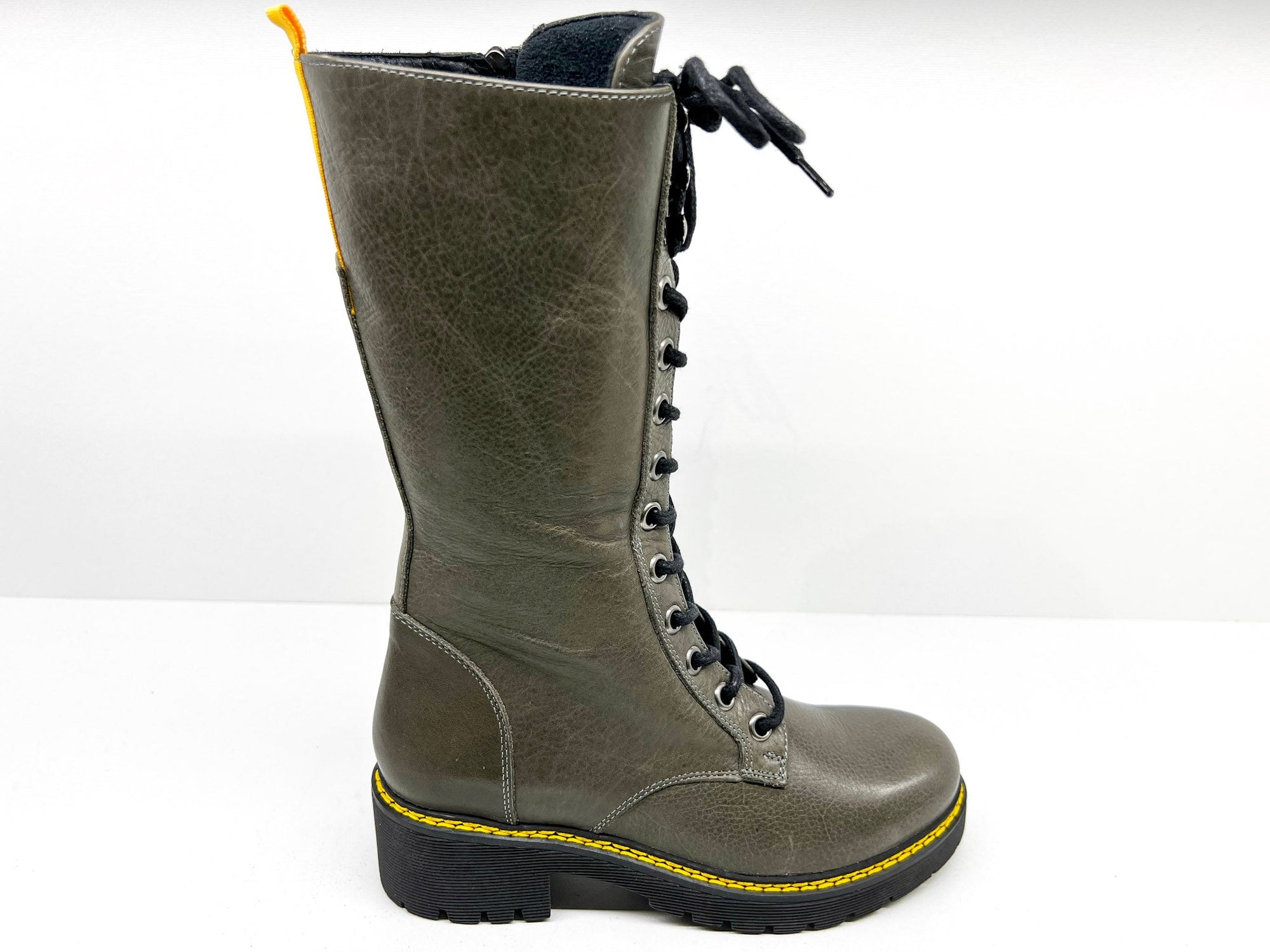
| Winter boots | Should fit slightly roomier to accommodate thicker socks and maintain warmth and circulation. |
| Sandals | Your foot should sit fully on the footbed without hanging over the edges, front or back. |
| Loafers | Fit close to the foot with minimal heel slip; break-in time is shorter with quality leather. |
⚠️ Common Sizing Mistakes to Avoid
- Assuming your size is the same across every brand. Always check the specific size chart for the shoe you're ordering rather than relying on memory.
- Ignoring width entirely. If you've had recurring fit issues, width is often the missing piece.
- Measuring only one foot. Always size for your larger foot.
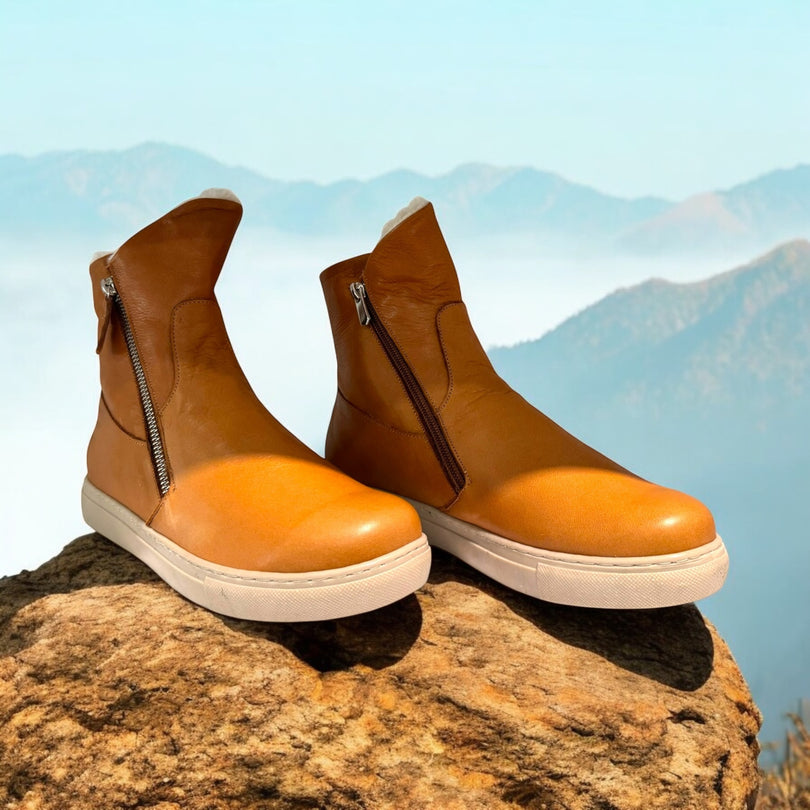
- Skipping the sock factor. Thick winter socks with winter booties can change your ideal size by half a size or more.
🔄 What to Do If Your Shoes Don't Fit
Even with careful measuring, sometimes a shoe just isn't right for your foot — and that's completely normal. If your new pair doesn't fit as expected, check our Shipping & Returns page for our exchange process, or reach out through our Contact page and our team will help you find the right size or style.
✨ Final Tips for Confident Online Shoe Shopping
Take five minutes to properly measure your feet before your next order — it's the single best way to avoid the guesswork of online shoe shopping. Keep your measurements saved somewhere handy (notes app, wallet, wherever works) so you can reference them anytime you're browsing new arrivals or restocking a favorite style. A little prep now means shoes that fit right the first time, every time.
🛍️ Looking for your next pair? Browse our full women's shoe collection or men's shoe collection and shop with confidence knowing exactly what size to pick.